- Monthly budget for one person in a new one-bedroom
- C$2,470
- Longest RAMQ wait before health coverage starts
- 3 months
- The day most Quebec leases end and moving day starts
- July 1
On this page
Living in Montreal costs less than living in Toronto, works in French sooner than most newcomers expect and starts with a handful of rules that do not exist elsewhere in North America: a province that selects its own immigrants, a government lease form, a leasing calendar built around July 1 and a health plan with a waiting period. A single person renting a new one-bedroom needs about C$2,470 a month, and the RAMQ can make you wait up to three months for coverage. This page gives the order to do things in, with the pages that cover each step in detail.
What living in Montreal is like
Language is the first thing to settle, because it shapes work, paperwork and daily life. Montreal is a bilingual city in practice, with 56.4 percent of people in the metropolitan area able to hold a conversation in both French and English in the 2021 census. You can rent a flat, shop and make friends in English. But under Quebec's language law (Bill 96), the government will deal with a newcomer in another language for six months only, and after that the administration answers in French. Many employers ask for French, and Quebec's own skilled worker program sets a bar: in the 2026 invitation rounds, the highly skilled stream asked for oral French at level 7 and written French at level 5. A remote worker with a US employer loses little by waiting. Someone who wants a local career or permanent residence should start lessons before landing.
The second thing is the cold. At Montreal-Trudeau airport the January average is -9.7°C (14.5°F) against -5.5°C (22.1°F) at Toronto Pearson, and the city gets about 209.5 cm (82 in) of snow a year, which falls on roughly 59 days. July is mild, at 21.2°C (70°F), and terraces fill from May. The winters are longer than in Toronto and the snow stays, which is why you budget for winter tires if you own a car and why electricity bills peak in January, since most apartments are heated electrically. Our winter in Montreal guide covers what the season looks like day to day.
The third is how people live. Much of central Montreal works without a car: a monthly transit pass for the Montreal zone costs C$110 since July 1, 2026, and the metro, buses and bikes cover most daily trips. The getting around Montreal guide explains the zones and the OPUS card. Taxes are also different. Sales tax is 14.975 percent (5 percent GST plus 9.975 percent QST), basic groceries carry none, and Quebec has its own income tax with four brackets from 14 percent to 25.75 percent, on top of the federal return.
The order of the steps for moving to Montreal
The order matters more than the speed, because three of the steps have waiting periods that start only once the earlier one is done. Your immigration status comes first, since nothing else (the health card, the lease, the bank account) works without it. Housing follows, then the RAMQ, then the small administrative tasks of the first weeks.
Status first. Americans have no special route: you need permanent residence or a temporary permit like anyone else. With a job offer, a work permit is the quickest start, and the government fee is C$155. For most Montreal jobs hired through an LMIA, Quebec adds a second approval, the Quebec Acceptance Certificate (CAQ), and the employer pays C$233 for the LMIA and C$233 for the CAQ. Since April 10, 2026, Montreal and Laval also have a freeze on LMIA applications for jobs paying under C$36 an hour, with exempt sectors such as construction and health, and it runs until December 31, 2026. The work permit and CAQ guide has the fees, the exemptions and the steps. For permanent residence, Express Entry costs C$1,590 per adult at IRCC, and Quebec's skilled worker program (PSTQ) adds a C$940 review fee for the principal applicant. The moving to Canada from the US page compares the routes and covers belongings, cars, pets and cross-border taxes.
Housing next. Every new lease in Quebec uses the government form of the Tribunal administratif du logement, and a landlord cannot ask for a security deposit. The only money required at signing is the first month's rent. Many leases end on June 30, so July 1 is the busiest moving day of the year, and a spring search means competing for the best units. The market has loosened: vacancy for purpose-built rentals reached 2.9 percent in late 2025, so you have more room to negotiate than a few years ago. The full rules on what a landlord can ask for, how renewals work and how to leave early are in apartments for rent in Montreal.
Then the health card. You register with the RAMQ once you are in Quebec, with a Quebec address and proof of status. Coverage usually begins after a wait of up to three months, and care during it is not reimbursed. Arrivals from the United States, the United Kingdom, Ireland, India and Australia are not exempt, so plan the full wait. An uninsured day in hospital can cost more than C$3,000, and the CHUM's rate sheet for patients without coverage listed C$1,457.66 for emergency care with tests extra. Buy private cover for the gap before you land. The health insurance for newcomers guide explains who qualifies, how to register, the drug plan and what the public plan leaves out, such as dental and vision for most adults.
Last, the first weeks. A phone plan, a bank account, your social insurance number, a Quebec driver's license if you drive and the Canadian tax return all follow once you have status and an address. For exchange rates, card fees and opening an account, read money in Montreal. For staying connected on arrival, a Canada eSIM works before you have a local plan. Keep filing a US return too, since the IRS expects one from US citizens living abroad.
| Step | When | Where to read more |
|---|---|---|
| Choose a route and check the fees | Months before the move | Moving to Canada from the US |
| Work permit, LMIA and CAQ | Before you travel, with the employer | Work permit and CAQ |
| French test and lessons | Before you land | Moving to Canada from the US |
| Search for a flat and sign the lease | In spring if you aim for July 1 | Apartments for rent |
| Private insurance, then RAMQ registration | Insurance from day one, RAMQ on arrival | Health insurance |
| Bank, phone, social insurance number, license | First weeks | Money and eSIM |
| Budget and city comparison | Before you commit | Cost of living |
Where newcomers settle in Montreal
Montreal is organized by neighborhood, and the choice changes both the rent and the commute. CMHC names downtown and Notre-Dame-de-Grâce as the areas newcomers and students favor, and the figures show why the choice matters: the rental site liv.rent measured a one-bedroom at C$1,693 for the city in 2025, with downtown the most expensive at C$1,890 and Hochelaga-Maisonneuve the cheapest at C$1,462. The Plateau and downtown sit at the top of that range, while Mile End is the next neighborhood to compare. Staying near a metro line also lets you drop the car, which is the biggest saving after rent.
Use the neighborhood guides as a first filter, then walk the streets in different seasons if you can, since the city looks very different in May and in January. The Montreal neighborhoods hub lists the areas, and the apartment guide explains how to compare a listing with the previous rent printed on the lease form.
What a month costs in Montreal
The budgets below are our own calculation, built from asking rents, a transit pass instead of a car and groceries cooked at home. They leave out restaurants, trips and savings, so add what you actually spend on those. Rent is the largest line, and it is the one that surprises newcomers: CMHC measured a rent increase of 17.2 percent on units that changed tenants in 2025, against 6.0 percent where the tenant stayed. A neighbor who has lived in a flat for years pays far less than you will.
| Monthly cost | One person | Couple | Family of four |
|---|---|---|---|
| Rent (new lease, asking price) | C$1,722 | C$1,722 | C$2,251 |
| Groceries | C$400 | C$700 | C$1,000 |
| Transit passes | C$110 | C$220 | C$220 |
| Total with utilities, phones and basics | C$2,472 | C$2,923 | C$4,010 |
The family column includes one child in subsidized childcare at C$9.65 a day (about C$209 a month), if you find a place, since waiting lists are long. At the minimum wage of C$16.60 an hour, a single person earns about C$2,518 gross a month, less than the budget above once income tax is taken out, so a roommate or an older lease is what makes a low income work. A common rule of thumb, rent under 30 percent of gross income, puts a C$1,722 one-bedroom at about C$68,900 a year. The cost of living in Montreal page gives each line with its source, from electricity to childcare.
Montreal or Toronto
Montreal is the cheaper city, Toronto the better paid one. The average two-bedroom is C$1,346 in Montreal against C$2,034 in the Toronto area (CMHC, 2025), and daycare is C$9.65 a day against a C$22 cap in Ontario. Toronto offers higher pay, English everywhere and no waiting period for health coverage. The Montreal vs Toronto comparison sets the figures side by side and ends with who should pick which city.
In this section
 Photo Daoud Saeed, Pexels
Moving to Canada from the US, and to Montreal: routes and permits, Quebec's PSTQ and French, 2026 fees, belongings, car, taxes, RAMQ and the steps in order.
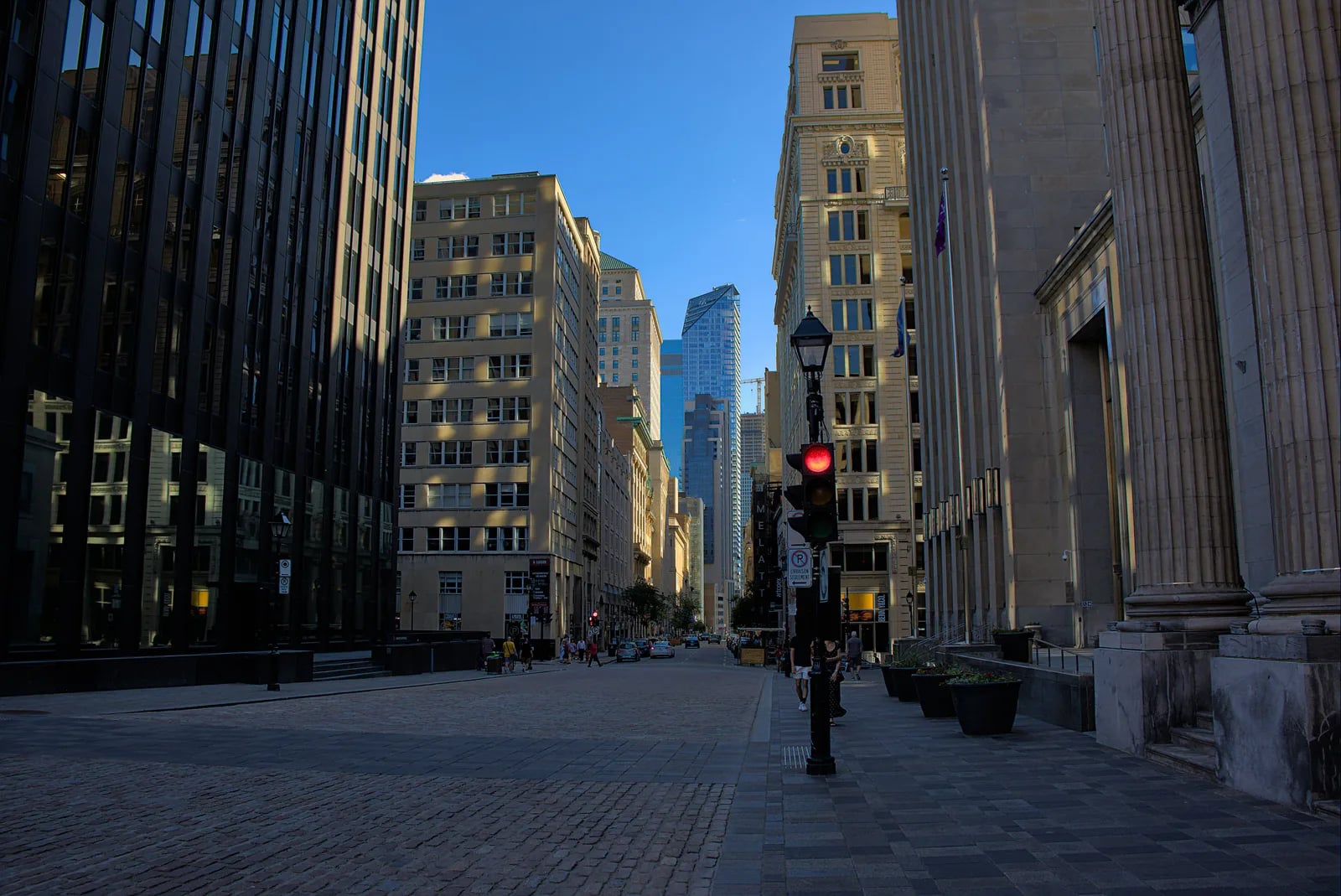 Photo Heru Vision, Pexels
Work permit for Montreal: employer-specific vs open permits, 2026 IRCC and Quebec fees, the CAQ, the Montreal low-wage freeze, spouses, PEQ and steps.
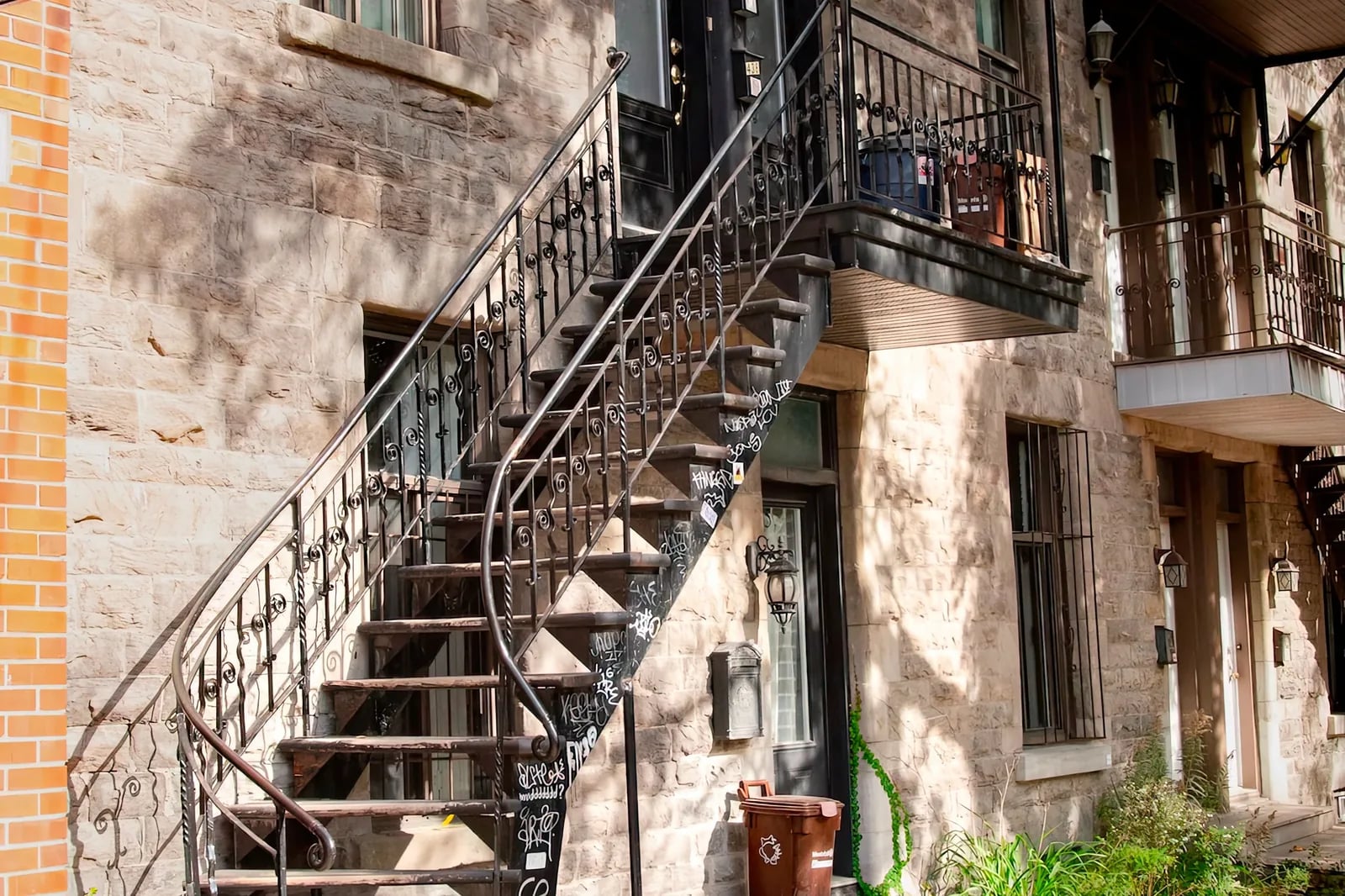 Photo coldbeer, Pexels
Renting an apartment in Montreal: average rent from CMHC vs asking rents, the Quebec TAL lease, no security deposit, rent increases, July 1 and scams.
 Photo Raouf Djaiz, Pexels
Montreal vs Toronto for living: rent, jobs and salaries, taxes, French, transit, winter, daycare and immigration compared with dated figures and a verdict.
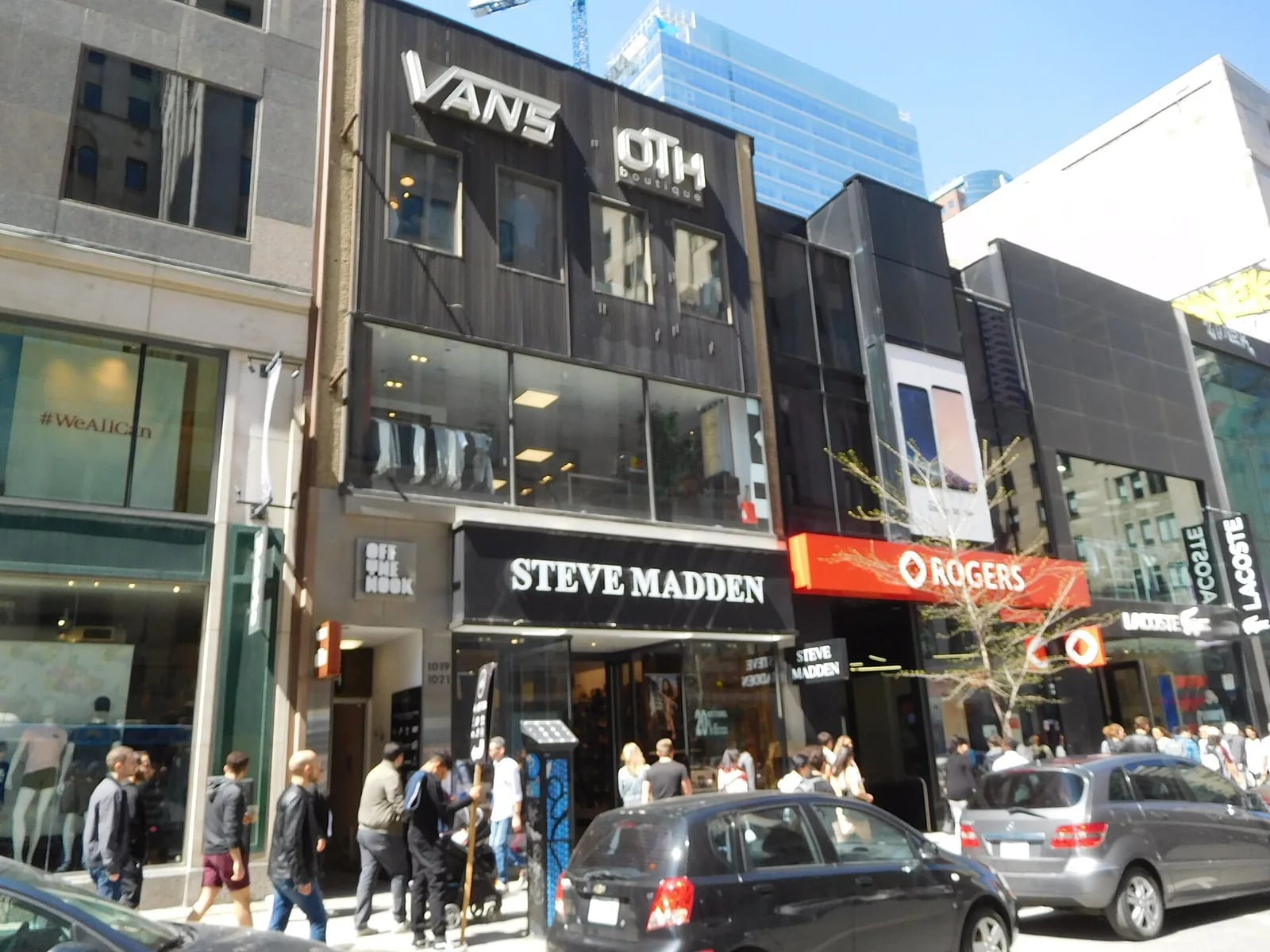 Photo Jeangagnon, CC BY-SA 4.0, Wikimedia Commons
Cost of living in Montreal in 2026: rent, groceries, transit, electricity and daycare, with monthly budgets for one person, a couple and a family.
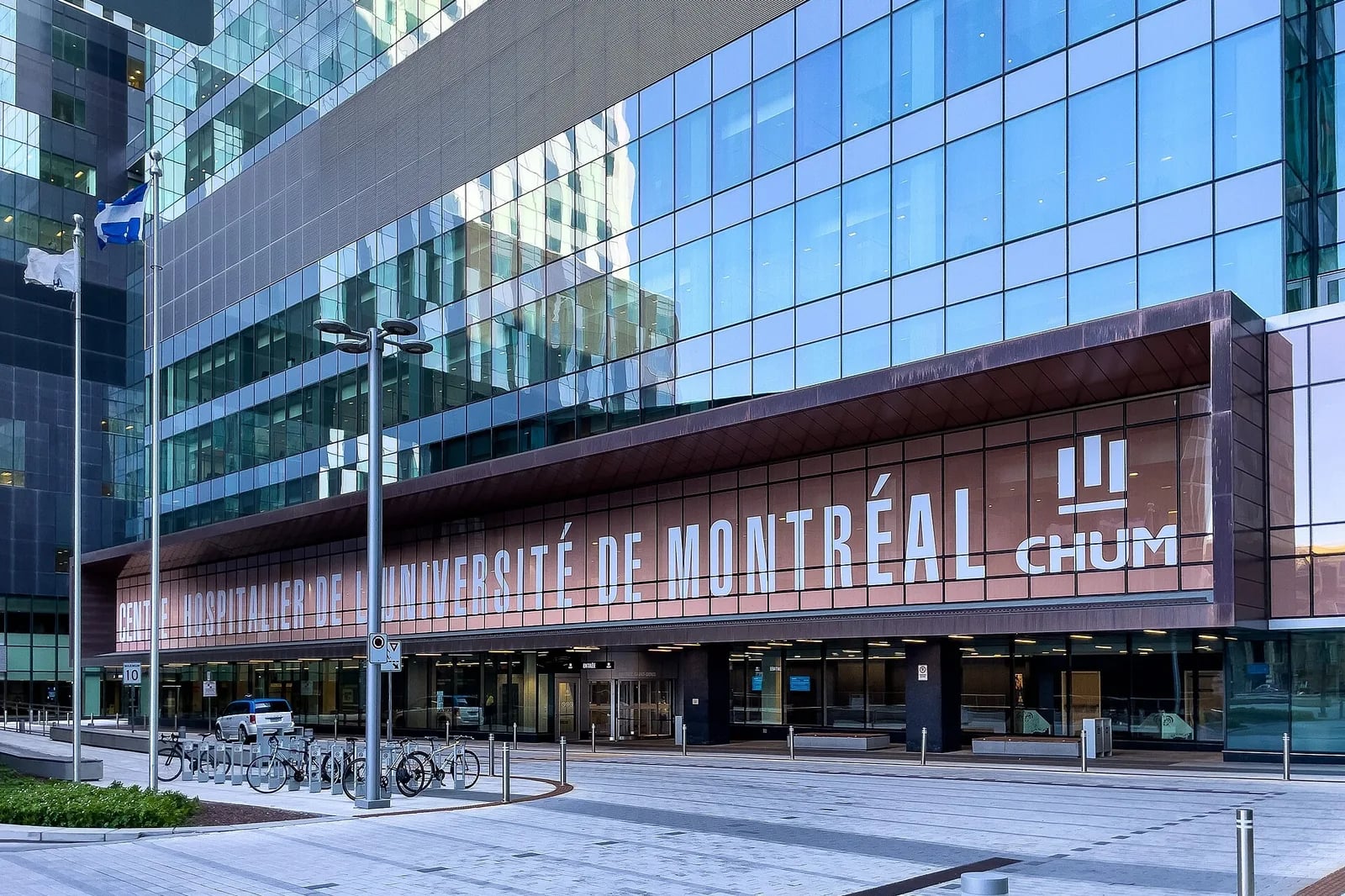 Photo Kenneth C. Zirkel, CC BY-SA 4.0, Wikimedia Commons
Health insurance for people moving to Montreal: who gets the RAMQ card, the 3-month waiting period, drug plan costs, dental and vision and private cover.